Guides ·
Semrush keyword research for a brand-new blog
How a zero-traffic blog can use Semrush's free plan and 7-day trial: Keyword Magic Tool, difficulty scores, search intent and competitor gaps, without wasting a subscription.
Every new blogger makes the same mistake: chasing the biggest keyword. You target a term with tens of thousands of monthly searches, find ten-year-old publishers and Wikipedia on page one, and three months later your post sits on page seven.
Keyword research is really about finding the opposite: low-competition questions with clear intent that you can answer better than anyone. Pricing details as of 24 October 2026.
Money first
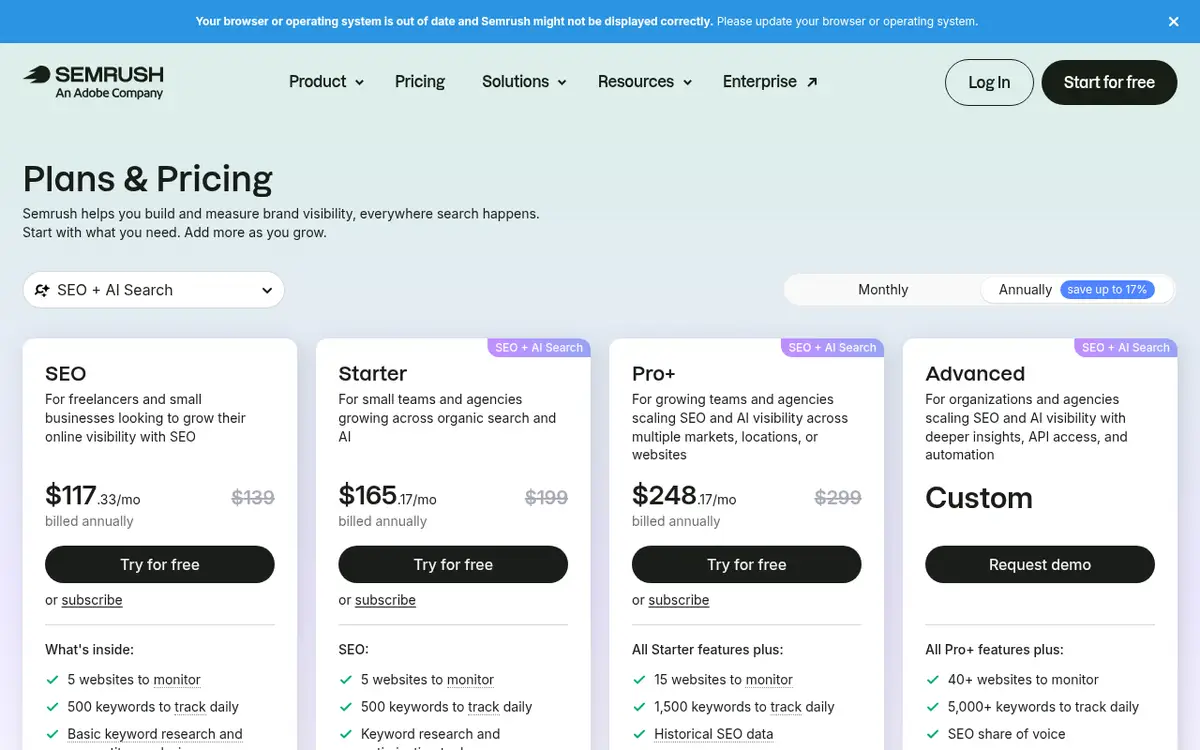
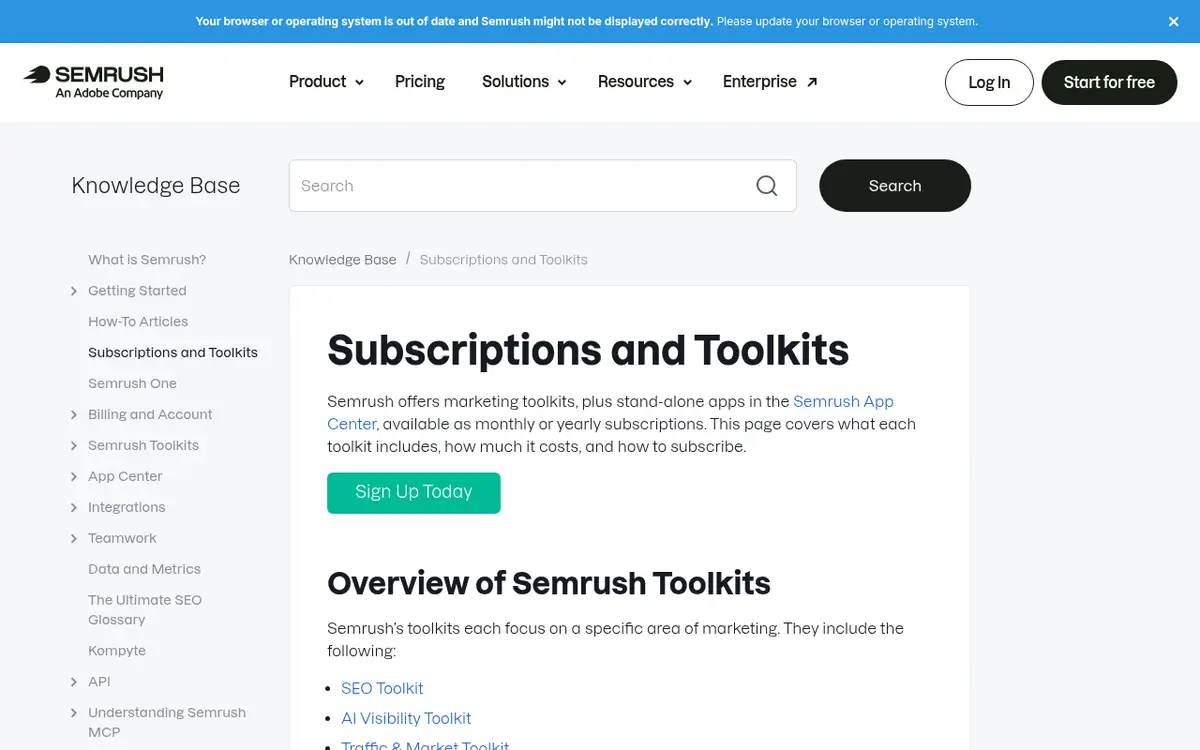
Semrush's SEO Toolkit knowledge base page lists Pro at $139.95, Guru at $249.95 and Business at $499.95 a month. On 24 October, though, the pricing page had moved to new bundles (SEO, Starter, Pro+ and Advanced) that combine SEO with AI Visibility tools. On 24 October that page listed SEO at $139 a month ($117.33 billed annually), Starter at $199 ($165.17), Pro+ at $299 ($248.17) and Advanced at a custom price. For a single new blog, the SEO plan is the realistic starting point. Prices change, so take one more look at semrush.com/prices before paying.
Two free doors exist. The Free plan needs no card and gives one demo project and 10 reports a day. The 7-day trial gives full Pro or Guru access, then converts to paid, so cancel if you are not continuing. Learn the tool on Free, then spend the trial week building your first 30 to 50 post targets in one planned sprint.
Keyword Magic Tool
Enter a seed term, pick the right country database (the default is often the US), and get variations with volume, difficulty and intent. Use narrow seeds and the grouping panel on the left; groups like "free", "how to" and "best" reveal intent quickly. In Turkish, check both accented and unaccented spellings.
Reading difficulty
Keyword Difficulty (KD%) runs 0 to 100. New sites should start low. Do not dismiss small volume: ranking first for a 70-search term beats ranking 50th for a 7,000-search one. Always search the term yourself. Forum threads and thin old posts on page one mean opportunity; detailed guides from big brands mean it is hard, whatever the score says. Scores are less reliable for smaller languages.
Intent beats volume
Semrush tags informational, navigational, commercial and transactional intent. "What is ElevenLabs" wants a short explanation; "ElevenLabs vs Murf" is near a purchase; "ElevenLabs login" is not worth a post. Commercial terms bring readers close to buying, but a new blog also needs informational guides to build trust. Mix both.
Learning from competitors
Organic Research shows what a domain ranks for. Skip the giants; study mid-sized blogs a little ahead of you. Keyword Gap becomes useful once your own posts start ranking.
A 7-day trial plan
Day one: five core topics, export low-difficulty, clear-intent terms. Days two and three: competitor research. Day four: merge terms with the same intent into single posts so your pages do not compete with each other. Day five: Site Audit for missing meta descriptions, broken links and slow pages. Then set up Position Tracking if you are staying. Export everything, because access ends with the trial.
Free alternatives
Google Search Console shows real impressions straight from Google once data builds up. Google's autocomplete, People Also Ask and related searches show how people actually phrase things. Chat assistants are fine for brainstorming but do not know search volume and may invent it.
Traps
Volume obsession, keyword stuffing, writing a weak post for a good term, and treating tool estimates as truth. Search Console numbers can be half or double the estimate.
Things people ask me
Is there a free Semrush plan?
Yes: one demo project and 10 reports a day, no card. Plus a 7-day trial on Pro or Guru.
Do I need Semrush for a new blog?
No. It speeds up planning and competitor research, but free sources go a long way at first.
Tool page: Semrush. Related: free vs paid AI writing tools.
Pages mentioned in this guide
That's it for this one. More articles