Guides ·
AI text to speech for podcasts and audiobooks
Turning long text into listenable audio: which tools handle long projects, how many credits a book takes, text prep, pronunciation and licensing.
Voicing a 30-second Reel and voicing a 250-page book are different jobs. A voice that sounds lovely for half a minute can grate by hour three. Long text exposes every weakness of AI narration: repetitive intonation, names read differently from one chapter to the next.
We have not produced long projects with them. Figures are as of 24 October 2026.
A caveat first. Platform rules on AI-narrated audiobooks change often, so read the policy of wherever you plan to publish on the day you upload. And make sure you hold the audio rights to the book.
Podcasts and audiobooks want different things
Podcasts thrive on conversation, which AI does not fake well. I would not make a fully synthetic chat show. The smarter use is cleaning up your own recording: cutting filler, fixing a misspoken word with your cloned voice. That is Descript's strength. Audiobooks are single-narrator, long and need consistency, which is where TTS genuinely makes sense, especially for non-fiction.
Tools
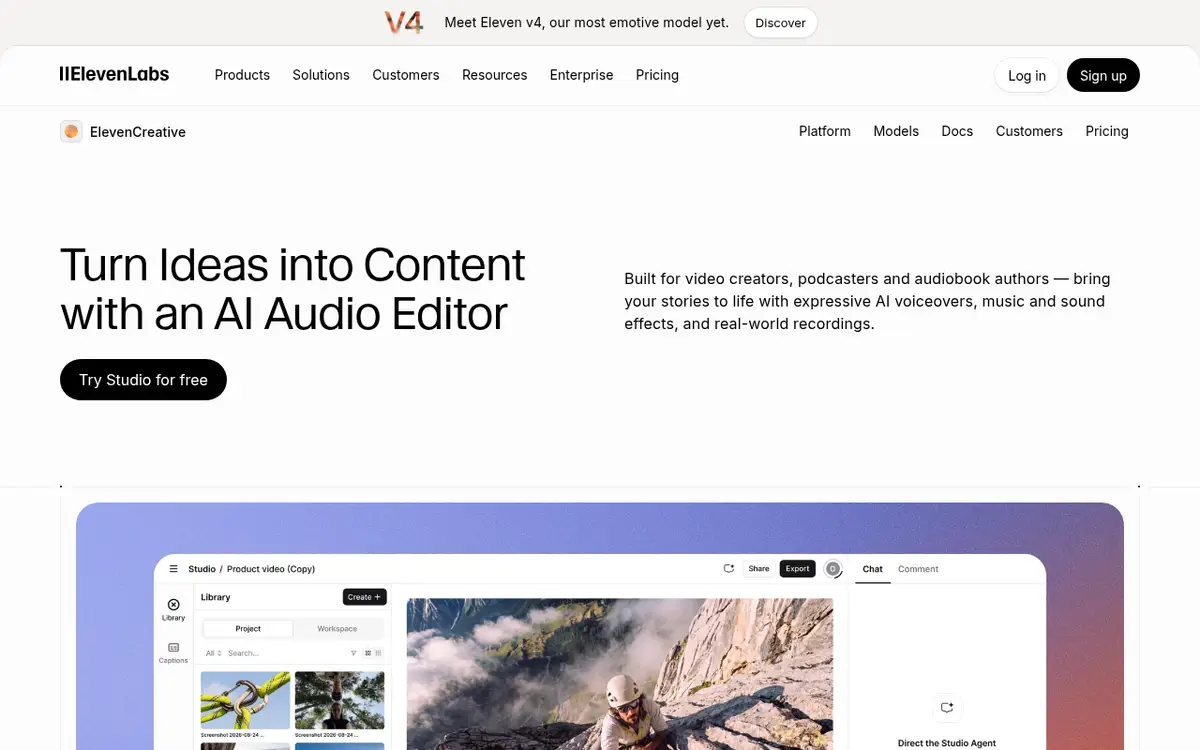
ElevenLabs Studio is built for long-form. Free allows 3 projects, Starter 20. Audio is 128 kbps on Free and Starter, with a 192 kbps option from Creator up.
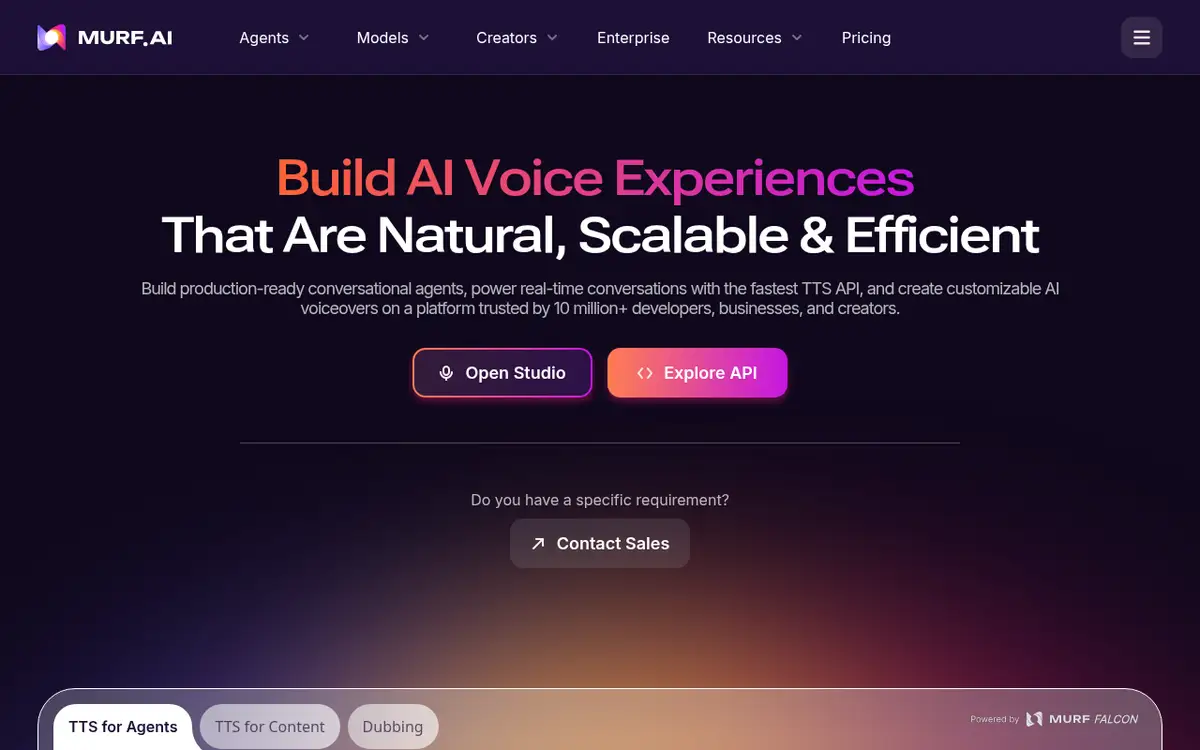
Murf charges $0.03 per 1,000 studio-quality characters on its API, which is very cheap if you can script it.
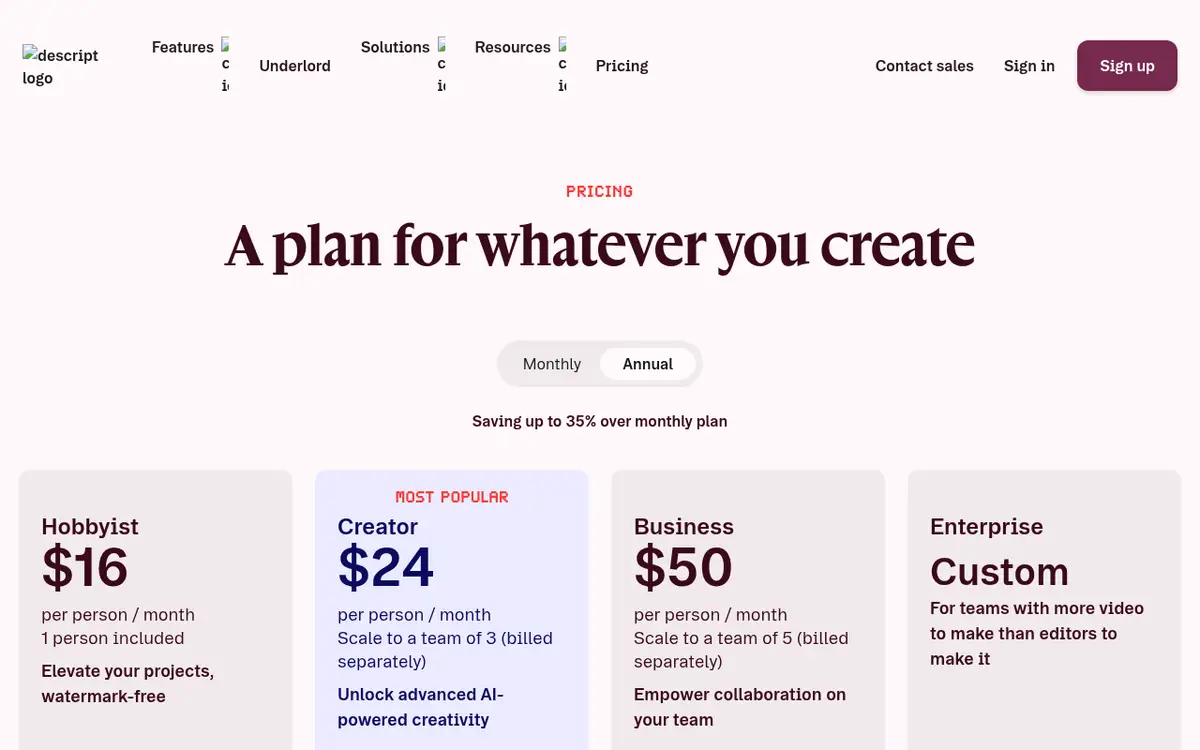
Descript is an editor first: transcription in 25 languages, Studio Sound, Remove Filler Words and custom voice clones from Hobbyist up.
Credit math for a book
A 250-page non-fiction book is very roughly 60,000 to 80,000 words, around 400,000 to 550,000 characters depending on language. Check your own manuscript's character count. On ElevenLabs V2 Multilingual, one character is one credit, so one pass far exceeds Creator's 121,000 monthly credits; Pro's 600,000 covers one pass. Leave 20 to 30 percent for regenerations. Either take Pro for a month or work through it on Creator over several months, using the two-month rollover on active paid plans. On Murf's API the same book costs roughly $15 to $17, but stitching chapters is on you.
Prepare the text
Write numbers as words. Expand abbreviations and decide once how to read acronyms. Rewrite or drop footnotes and "see page 45" references. Respell difficult foreign names phonetically, or use the pronunciation dictionary feature described in ElevenLabs' docs (check current model support). Split long sentences.
Keeping it listenable
Vary paragraph length. Give dialogue at most two extra voices; ten voices turns a book into radio drama. Add short silences between chapters. Listen to every chapter end to end, even sped up, because mispronunciations only show up by ear.
A podcast workflow
Record or import into Descript, edit the transcript to edit the audio, strip filler automatically, and patch mistakes with your cloned voice via Regenerate. Free gives 60 media minutes a month; Hobbyist is $24 monthly or $16 annual with 10 hours. For a weekly show, Hobbyist is usually enough.
Licensing and disclosure
Selling an audiobook is commercial use; on ElevenLabs that starts with Starter. Use only your own voice or one with written consent. Disclosing AI narration in the description is required on some platforms and softens negative reviews everywhere.
For drama-heavy fiction, children's books and poetry, a human narrator is still the better investment.
Small print, briefly
How many credits is an hour of audio?
Roughly 48,000 to 60,000 characters, so that many V2 Multilingual credits, plus regeneration margin.
Can I narrate my book with my cloned voice?
Yes; Professional Voice Cloning on Creator is more consistent for long work. See our cloning guide.
Related: ElevenLabs vs Murf. Tool pages: ElevenLabs, Murf, Descript.
Pages mentioned in this guide
That's it for this one. More articles